

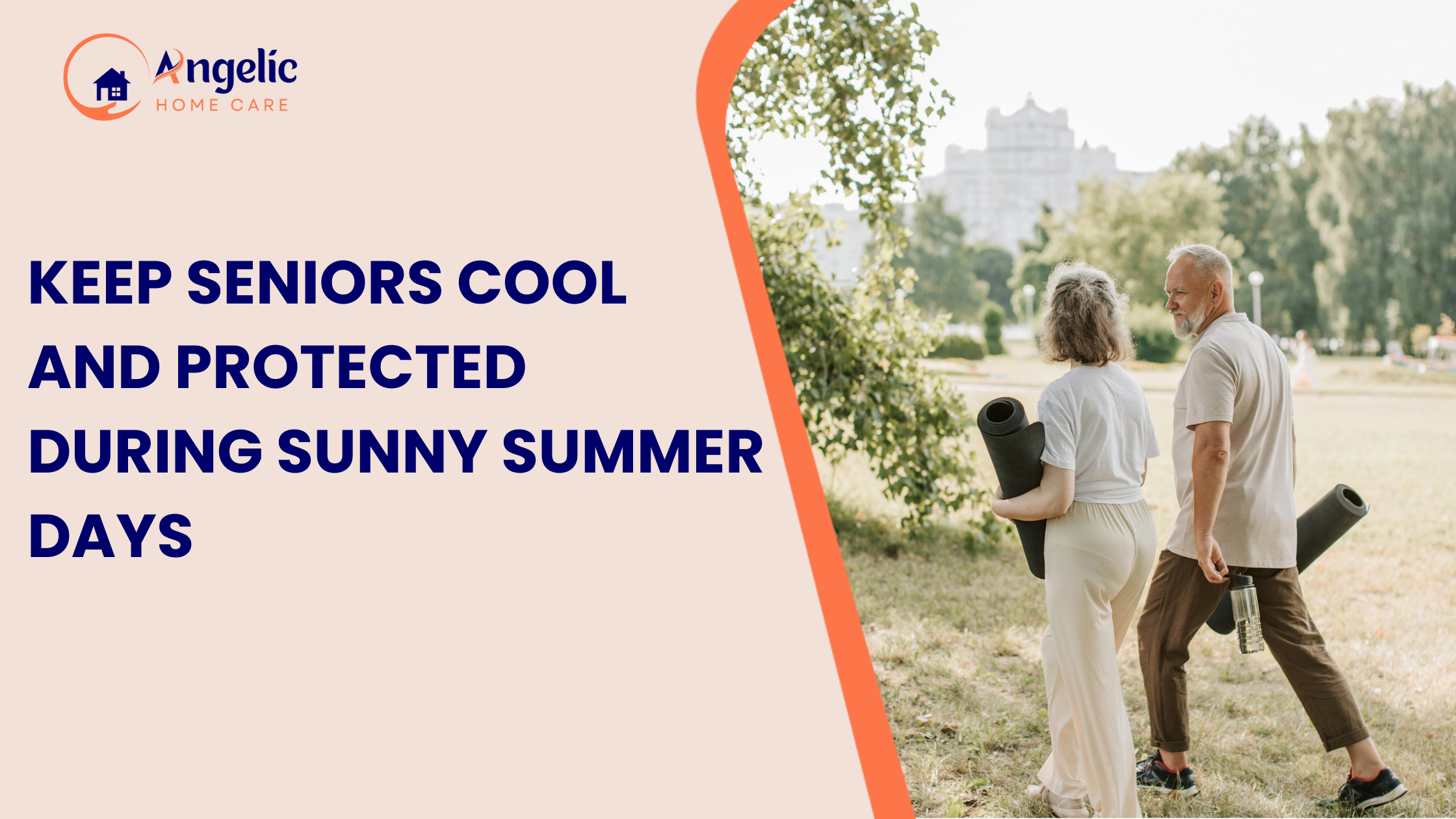
Summer is a time for sunshine, outdoor activities, and relaxation. However, for seniors, high temperatures, humidity, and changes in routine can pose serious health risks. Heat-related illnesses, dehydration, and accidents are more likely among older adults, making it essential to take proactive measures. Whether your loved ones live independently or with family, following summer safety tips for seniors can ensure a safe, enjoyable season.
1. Stay Hydrated
Dehydration is one of the most common risks for seniors during summer. Aging bodies may not feel thirst as strongly, increasing the chance of serious complications.
Tips for hydration:
- Encourage drinking water frequently, even when not thirsty.
- Include hydrating foods like watermelon, cucumbers, and oranges.
- Limit caffeine and alcohol, which can dehydrate the body.
Proper hydration helps prevent heat exhaustion and keeps seniors feeling energetic throughout the day.
2. Keep the Home Cool
High indoor temperatures can be dangerous for elderly individuals. Ensure their home environment is safe and comfortable:
- Use fans or air conditioning to maintain a cool temperature.
- Close blinds or curtains during peak sunlight hours.
- Keep doors open to allow air circulation in multiple rooms.
If air conditioning isn’t available, consider visiting public spaces like shopping centers or libraries during extreme heat.
3. Dress Appropriately for the Weather
Clothing plays a significant role in summer safety for seniors. Lightweight, breathable fabrics help regulate body temperature and prevent overheating.
- Choose loose-fitting clothes made of cotton or linen.
- Light-colored clothing reflects sunlight and reduces heat absorption.
- Don’t forget a wide-brimmed hat and sunglasses when going outdoors.
Proper clothing can significantly reduce the risk of heatstroke and sunburn.
4. Protect Skin from Sun Exposure
Seniors’ skin becomes more sensitive with age, making sun protection crucial.
Sun safety tips:
- Apply broad-spectrum sunscreen with at least SPF 30.
- Reapply sunscreen every 2–3 hours, especially after swimming or sweating.
- Seek shade during peak sunlight hours (10 AM – 4 PM).
Sun protection prevents burns, skin damage, and long-term health risks.
5. Plan Outdoor Activities Wisely
Outdoor activities are enjoyable but must be planned to avoid heat-related issues.
- Schedule walks or gardening early in the morning or late in the evening when temperatures are cooler.
- Avoid strenuous activities during peak heat.
- Keep activities short and include frequent breaks.
By adjusting the timing and duration of outdoor activities, seniors can enjoy the summer safely.
6. Maintain a Healthy Diet
Summer is an excellent time to enjoy fresh fruits and vegetables, which provide essential vitamins and hydration.
- Incorporate salads, smoothies, and fresh produce into daily meals.
- Avoid heavy, greasy foods that can increase body temperature.
- Monitor sodium intake to prevent dehydration and swelling.
A healthy diet not only keeps seniors energized but also supports overall summer safety.
7. Prevent Heat-Related Illnesses
Seniors are more prone to heat exhaustion, heatstroke, and other heat-related conditions. Knowing the signs and preventive measures is essential:
Warning signs of heat-related illnesses:
- Dizziness, weakness, or fatigue
- Rapid heartbeat or breathing
- Nausea or vomiting
- Confusion or disorientation
Preventive measures:
- Stay indoors during extreme heat.
- Drink water regularly.
- Use cooling methods like wet towels or cool showers.
Early recognition and preventive steps can save lives during summer months.
8. Ensure Safety in Water Activities
Swimming and water activities are refreshing but can be risky for seniors. Safety precautions are essential:
- Always supervise or swim with a companion.
- Avoid swimming alone or in unsupervised areas.
- Use non-slip mats around pools and bathtubs.
If mobility or balance is a concern, consider professional support from a home care agency for assistance during water-related activities.
9. Exercise Caution with Fans and Air Conditioning
While fans and air conditioning provide relief from heat, improper use can create hazards:
- Keep fans away from cords or flammable materials.
- Ensure air conditioning units are serviced regularly.
- Avoid extreme temperature changes, which can stress the body.
Safe use of cooling appliances prevents accidents and promotes comfort.
10. Monitor Medications and Health Conditions
Certain medications can affect the body’s ability to regulate temperature.
- Check with doctors about heat-related side effects of medications.
- Keep a record of medications and doses in an accessible location.
- Watch for signs of dehydration or dizziness.
Families can coordinate with home care services to ensure seniors maintain their health routine safely during summer.
11. Prevent Falls and Accidents
Summer activities, even at home, can increase the risk of falls:
- Remove clutter and ensure clear walkways.
- Use non-slip mats in bathrooms and kitchens.
- Provide sturdy handrails where necessary.
Fall prevention is critical to maintaining seniors’ independence and safety.
12. Encourage Social Interaction
Summer can be a lonely time for seniors, especially if family is busy or away. Social interaction supports emotional and mental well-being:
- Schedule visits with family or friends.
- Encourage participation in community events suitable for seniors.
- Consider virtual calls if physical visits aren’t possible.
Maintaining connections improves mood and reduces feelings of isolation during the summer months.
13. Recognize Signs of Heat Stress Early
Recognizing early symptoms of heat stress can prevent serious health issues:
- Excessive sweating or dry skin
- Headaches or confusion
- Rapid heartbeat
- Muscle cramps
Immediate intervention, such as moving to a cool area and drinking fluids, is crucial. Families should remain vigilant and proactive.
14. Include Professional Support When Needed
Sometimes, summer care requires more than family attention. Professional caregivers from a home care agency services provider can offer:
- Assistance with daily routines, meals, and hydration
- Supervision during outdoor activities
- Companionship and emotional support
Professional support ensures seniors are safe, healthy, and happy throughout the summer season.
Families already using home care services should inform caregivers about summer plans to maintain continuity of care and prevent issues.
15. Prepare an Emergency Plan
Accidents, health emergencies, or sudden heatwaves can happen unexpectedly. Being prepared is essential:
- Keep emergency contact numbers visible and accessible.
- Have a first-aid kit and necessary medical supplies on hand.
- Know the nearest hospital or urgent care facility.
A well-prepared emergency plan increases safety and peace of mind for seniors and caregivers.
16. Limit Sun Exposure for Outdoor Pets
If seniors care for pets, their safety is intertwined with animal care:
- Avoid taking pets on long walks during peak heat.
- Ensure pets have shade and water.
- Protect seniors from handling pets in extreme heat for prolonged periods.
Coordinating pet care reduces stress and promotes overall summer safety.
17. Maintain Mental Stimulation
Summer safety isn’t just physical; mental health is equally important.
- Engage seniors with puzzles, games, or reading.
- Include creative activities like painting or gardening indoors.
- Encourage light outdoor interaction in shaded areas.
Mental stimulation supports cognitive function and reduces boredom during long summer days.
18. Celebrate Summer Safely
Finally, seniors should enjoy summer safely without feeling excluded:
- Plan small, safe gatherings with family and friends.
- Include senior-friendly outdoor games or activities.
- Celebrate milestones, birthdays, or holidays in safe, comfortable settings.
A careful approach ensures seniors can enjoy summer with joy and security.
Conclusion
Caring for seniors during summer requires vigilance, planning, and understanding. By following these summer safety tips for seniors, families can ensure their loved ones remain hydrated, cool, and healthy at home. Whether through family support or professional assistance from a home care agency, prioritizing seniors’ safety enhances their comfort, independence, and happiness during hot months.
Remember, summer is a time for warmth, connection, and fun. With preparation and care, seniors can fully enjoy this vibrant season without compromising their health.


